
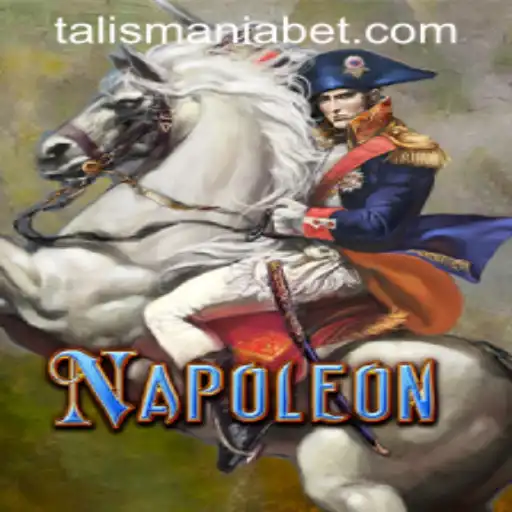
The Intriguing World of Napoleon, a Classic Card Game
Napoleon is a compelling card game that has intrigued enthusiasts for decades with its strategic depth and historical roots. The game's origins are shrouded in mystery but are believed to date back to the early 19th century. Named after the French military leader, Napoleon Bonaparte, this game shares both the cunning strategy and boldness associated with its namesake. Over time, Napoleon has cemented itself as a popular choice among card game aficionados, offering an engaging blend of luck and strategy.
Understanding the Basics of Napoleon
Napoleon is typically played with a standard deck of 52 cards, though regional variations might introduce additional elements such as jokers. The game involves multiple players, typically ranging from three to six, each competing to win tricks. The player who accumulates the most points, calculated based on the tricks won, emerges as the victor.
At its core, Napoleon is a game about bidding and trick-taking. Players must accurately bid the number of tricks they expect to win, and their success largely hinges on the accurate assessment of their hand's strength and their ability to outmaneuver opponents. The premise of bidding and taking tricks is what bears a striking resemblance to other classic games, drawing parallels with both bridge and euchre.
Gameplay and Rules
At the start of the game, the dealer shuffles the deck and distributes it evenly among the players. Each player assesses their hand and places a bid, predicting the number of tricks they can realistically win. The player with the highest bid becomes the declarer and chooses a trump suit, a suit with enhanced power and capability to win tricks over other suits.
The declarer has the challenge of meeting their bid, utilizing strategic thinking and precise card play to outfox their opponents. If the declarer fulfills their bid, they gain additional points, while failing to do so results in penalties. The dynamic of risk versus reward is a central thread in the game, requiring players to balance aggressive play with tactical prudence.
A notable rule in Napoleon demands that if a player believes they can win all possible tricks, they may declare 'Napoleon,' indicating their bold ambition. Successfully capturing all tricks results in a significant point bonus, but falling short incurs severe penalties, adding a thrilling risk to the gameplay.
Napoleon's Place in the World of Chance Games
The game of Napoleon exists in a fascinating intersection between skill-based and chance-based gaming. While skill and strategic foresight are essential components, the influence of probability and chance cannot be understated. This blend parallels games of chance such as roulette, often associated with the phrase "roleta jogos de azar."
The Connection with Roulette and Other Chance-Based Games
Roulette, a quintessential casino game classified under games of chance, relies heavily on probability and random outcomes, including the spinning of a wheel and the fall of a ball into numbered slots. Like Napoleon, roulette carries an allure of chance, but with a heavier emphasis on luck rather than skill.
The juxtaposition of Napoleon and roulette highlights the diversity within the world of games. Players attracted to pure strategic depth might gravitate towards Napoleon, while those who relish the unpredictability of random outcomes might prefer roulette. Both, however, share a common thrill in the uncertainty of the outcome and the joy of unexpected victory.
Current Events and the Popularity of Traditional Games
In recent years, with the rise of online platforms and digital gaming, traditional games like Napoleon have experienced a resurgence in popularity. The pandemic has further amplified this trend, prompting individuals to seek engaging ways to connect with others remotely. Virtual card rooms and online game platforms now feature Napoleon as a digital version, allowing players worldwide to experience its classic charm.
Moreover, the cultural relevance of card games in a digital age has sparked discussions on their educational value and their potential to enhance cognitive skills. Strategy games like Napoleon are often credited with improving critical thinking and decision-making abilities, making them appealing to parents and educators alike.
Simultaneously, chance games like roulette maintain their allure, drawing audiences in with their promise of fortune and excitement. Online casinos have expanded the accessibility of such games, offering live dealer options and interactive experiences that mimic the vibrancy of physical casinos.
Conclusion: Napoleon's Enduring Legacy
Napoleon continues to captivate players with its compelling mix of strategy and chance. Its enduring appeal lies in its ability to challenge and entertain, bridging the gap between skill and randomness. As digital technology propels traditional games into new realms, Napoleon stands testament to the timeless allure of a well-crafted game that embraced both calculated strategy and the whims of fate.